
The Fiery Passion in Children: A Flame Worth Protecting

There is something remarkable about a child who is passionate.
You can see it immediately. Their eyes widen when they talk about their favorite subject. Their words tumble over one another because their excitement moves faster than their ability to explain it. They ask endless questions, chase impossible ideas, and throw themselves completely into the things they love.
Whether it is dinosaurs, music, football, painting, science, insects, storytelling, or building entire worlds from cardboard boxes, children have an incredible ability to care deeply.
And that passion is one of the most valuable things they possess.
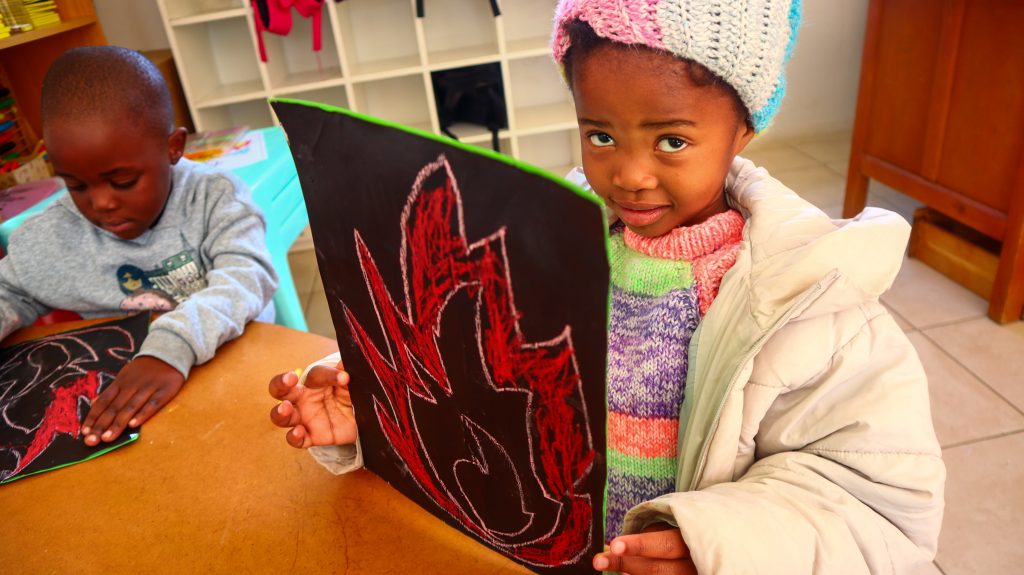
Unfortunately, somewhere along the journey to adulthood, many children begin to lose it.
Not because the passion disappears, but because they learn that enthusiasm is often met with criticism. They learn that being different can attract unwanted attention. They discover that dreams are frequently measured against practicality and that curiosity is sometimes mistaken for disruption.
Slowly, the flame begins to shrink.
A child who once sang loudly starts whispering.
A child who once drew for hours starts worrying whether their art is “good enough.”
A child who once asked a thousand questions learns that silence is often rewarded more than curiosity.
The tragedy is not that every childhood dream fails to become a career. The tragedy is when a child learns to stop dreaming altogether.
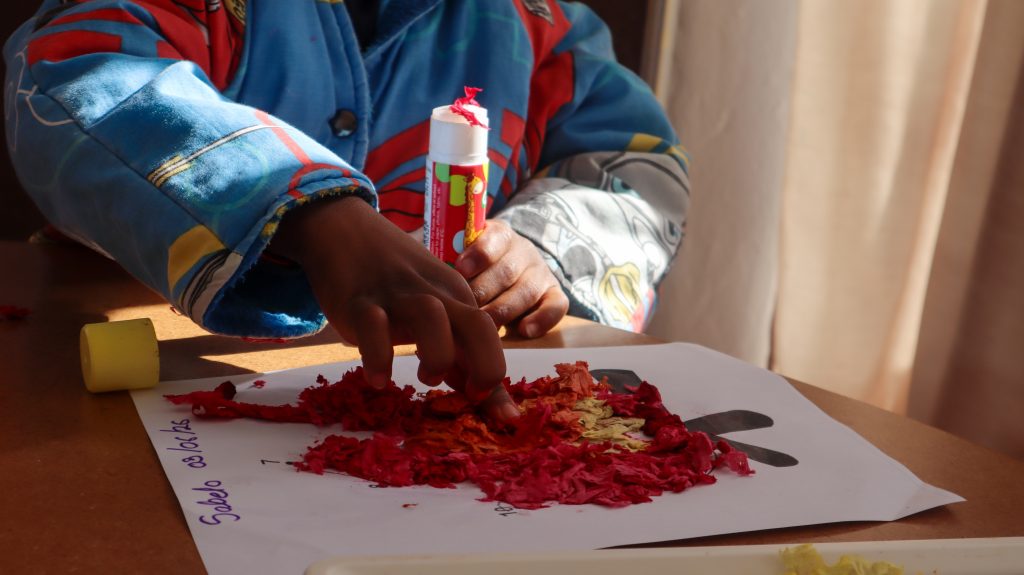
Passion is not merely a hobby or an interest. It is fuel.
It is the force that drives learning. It is what keeps a young musician practicing through frustration, a young athlete training through exhaustion, and a young inventor experimenting through countless failures.
Passion teaches resilience because when children genuinely care about something, they become willing to struggle for it.
As adults, we often focus on outcomes. We ask children what they want to be, what grades they earned, or whether they are improving fast enough.
But perhaps a more important question is this:
“What makes your eyes light up?”
Because the answer to that question often reveals the beginning of purpose.
The role of parents, teachers, mentors, and communities is not to decide which passions are worthy. It is to create an environment where those passions can grow.
Encourage the child who never stops drawing.
Support the child who spends hours singing in their bedroom.
Listen to the child who talks endlessly about space, history, coding, animals, or books.
Not every passion will become a profession, but every passion teaches something valuable about who that child is becoming.
When we nurture a child’s enthusiasm, we communicate something powerful:
“Your interests matter.”
“Your voice matters.”
“You matter.”
And those messages can shape a life.
The world does not need more people who have learned how to suppress their excitement. It does not need more adults who are afraid to care deeply.
It needs creators, innovators, dreamers, leaders, and problem-solvers who still possess the courage to be passionate.
That courage begins in childhood.
So when you see a child burning brightly with excitement about something they love, resist the urge to dim the flame.
Protect it.
Encourage it.
Celebrate it.
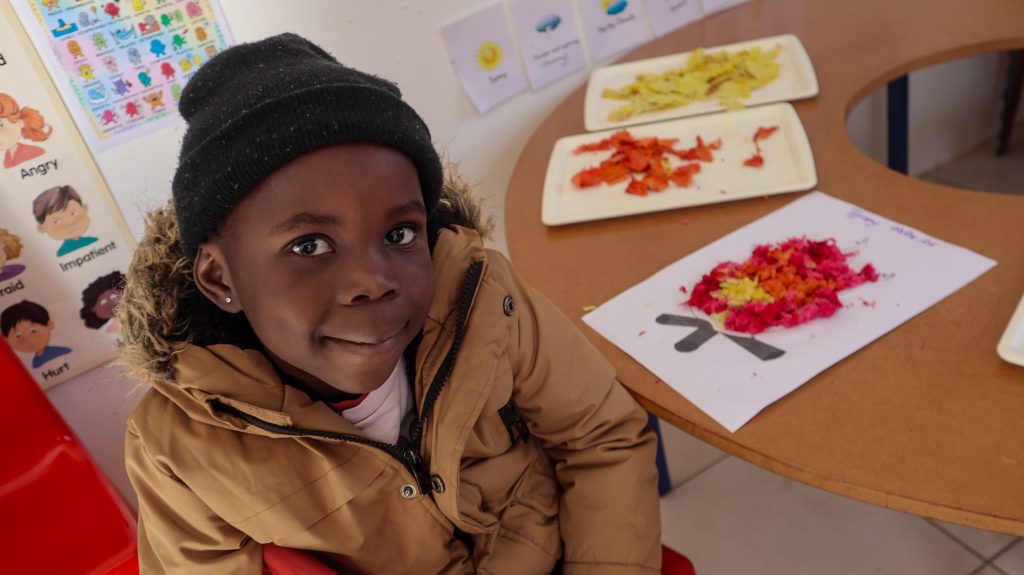
Because one day that fiery passion may become the very thing that changes their life—and perhaps even the world around them.
The Fiery Passion in Children: A Flame Worth ProtectingThere is something remarkable about a child who is passionate.You can see it immediately. Their eyes widen when they talk about their favorite subject. Their words tumble over one another because their excitement moves faster than their ability to explain it. They ask endless questions, chase impossible ideas, and throw themselves completely into the things they love.Whether it is dinosaurs, music, football, painting, science, insects, storytelling, or building entire worlds from cardboard boxes, children have an incredible ability to care deeply.And that passion is one of the most valuable things they possess.Unfortunately, somewhere along the journey to adulthood, many children begin to lose it.Not because the passion disappears, but because they learn that enthusiasm is often met with criticism. They learn that being different can attract unwanted attention. They discover that dreams are frequently measured against practicality and that curiosity is sometimes mistaken for disruption.Slowly, the flame begins to shrink.A child who once sang loudly starts whispering.A child who once drew for hours starts worrying whether their art is “good enough.”A child who once asked a thousand questions learns that silence is often rewarded more than curiosity.The tragedy is not that every childhood dream fails to become a career. The tragedy is when a child learns to stop dreaming altogether.Passion is not merely a hobby or an interest. It is fuel.It is the force that drives learning. It is what keeps a young musician practicing through frustration, a young athlete training through exhaustion, and a young inventor experimenting through countless failures.Passion teaches resilience because when children genuinely care about something, they become willing to struggle for it.As adults, we often focus on outcomes. We ask children what they want to be, what grades they earned, or whether they are improving fast enough.But perhaps a more important question is this:”What makes your eyes light up?”Because the answer to that question often reveals the beginning of purpose.The role of parents, teachers, mentors, and communities is not to decide which passions are worthy. It is to create an environment where those passions can grow.Encourage the child who never stops drawing.Support the child who spends hours singing in their bedroom.Listen to the child who talks endlessly about space, history, coding, animals, or books.Not every passion will become a profession, but every passion teaches something valuable about who that child is becoming.When we nurture a child’s enthusiasm, we communicate something powerful:”Your interests matter.””Your voice matters.””You matter.”And those messages can shape a life.The world does not need more people who have learned how to suppress their excitement. It does not need more adults who are afraid to care deeply.It needs creators, innovators, dreamers, leaders, and problem-solvers who still possess the courage to be passionate.That courage begins in childhood.So when you see a child burning brightly with excitement about something they love, resist the urge to dim the flame.Protect it.Encourage it.Celebrate it.Because one day that fiery passion may become the very thing that changes their life—and perhaps even the world around them.