
The Art of Healing Broken Bonds

Some of the deepest wounds in life are not physical. They come from broken relationships, harsh words, silence, betrayal, distance, and the painful drifting apart of people who once meant everything to each other. Healing broken bonds is one of the hardest forms of healing because it involves the heart — fragile, emotional, and deeply human.
Relationships are never perfect. Families argue. Friends grow apart. Communities divide. Parents and children misunderstand one another. Sometimes pride builds walls where love once lived. Sometimes pain goes unspoken for so long that it turns into resentment. Yet despite all of this, human connection remains one of the most powerful things we have. And because of that, healing those connections becomes an art in itself.
The art of healing broken bonds begins with honesty. Not the kind that hurts, but the kind that opens doors. Healing often starts when someone is brave enough to say, “I was hurt,” or even harder, “I was wrong.” These simple words can carry the power to soften years of distance.
But healing does not happen overnight. Trust, once broken, takes time to rebuild. Like repairing cracked pottery, relationships require patience, care, and gentle hands. Some days feel hopeful, while others reopen old wounds. Yet every small effort matters — the phone call made after months of silence, the apology finally spoken, the willingness to listen instead of argue.
Forgiveness also plays a role, though it is often misunderstood. Forgiveness does not mean forgetting pain or pretending something never happened. It means choosing not to let anger control the future. Sometimes forgiveness rebuilds relationships. Other times it simply brings peace to the heart.
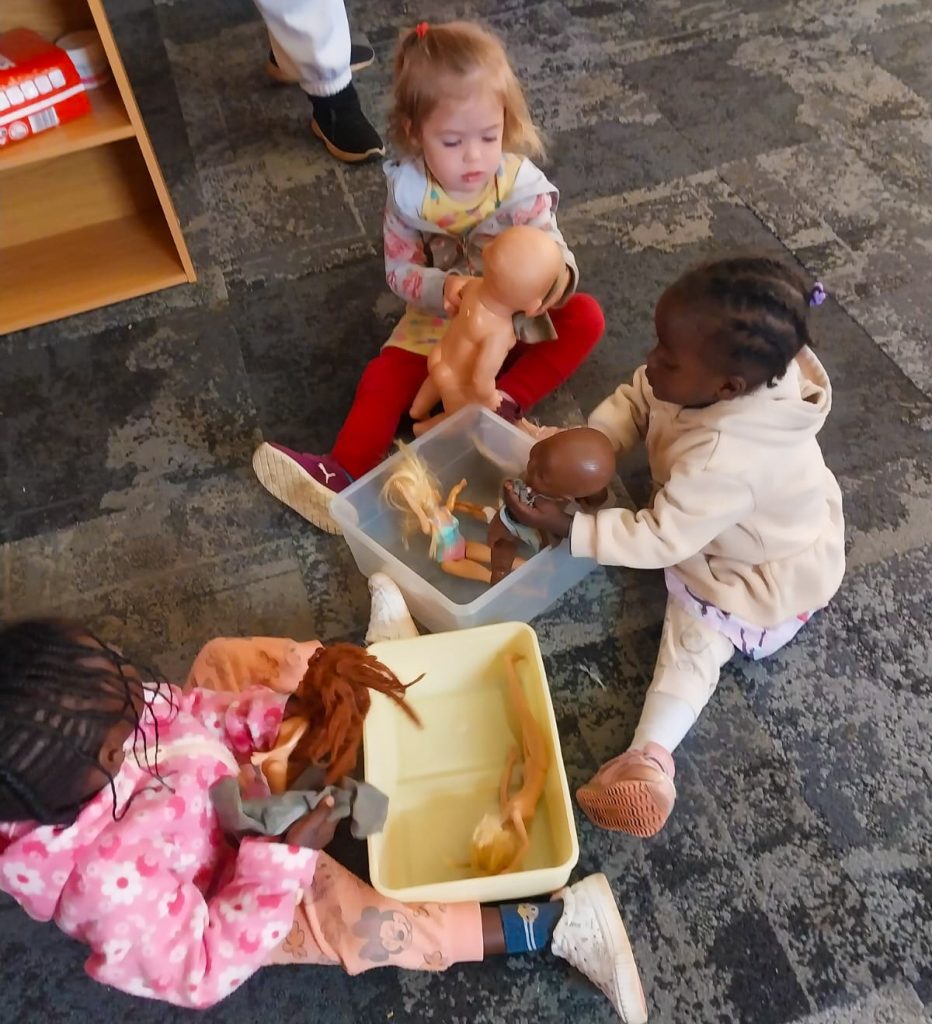
Families especially know the complexity of broken bonds. In homes carrying financial stress, emotional struggles, grief, or hardship, tension can easily grow. Parents become overwhelmed. Children feel unseen. Communication fades. Yet even in these difficult spaces, healing is possible. Often, it begins in small moments — eating together again, laughing together after a long silence, checking in on one another, or simply making time to be present.
The art of healing broken bonds begins with honesty. Not the kind that hurts, but the kind that opens doors. Healing often starts when someone is brave enough to say, “I was hurt,” or even harder, “I was wrong.” These simple words can carry the power to soften years of distance.
But healing does not happen overnight. Trust, once broken, takes time to rebuild. Like repairing cracked pottery, relationships require patience, care, and gentle hands. Some days feel hopeful, while others reopen old wounds. Yet every small effort matters — the phone call made after months of silence, the apology finally spoken, the willingness to listen instead of argue.
Forgiveness also plays a role, though it is often misunderstood. Forgiveness does not mean forgetting pain or pretending something never happened. It means choosing not to let anger control the future. Sometimes forgiveness rebuilds relationships. Other times it simply brings peace to the heart.
Families especially know the complexity of broken bonds. In homes carrying financial stress, emotional struggles, grief, or hardship, tension can easily grow. Parents become overwhelmed. Children feel unseen. Communication fades. Yet even in these difficult spaces, healing is possible. Often, it begins in small moments — eating together again, laughing together after a long silence, checking in on one another, or simply making time to be present.
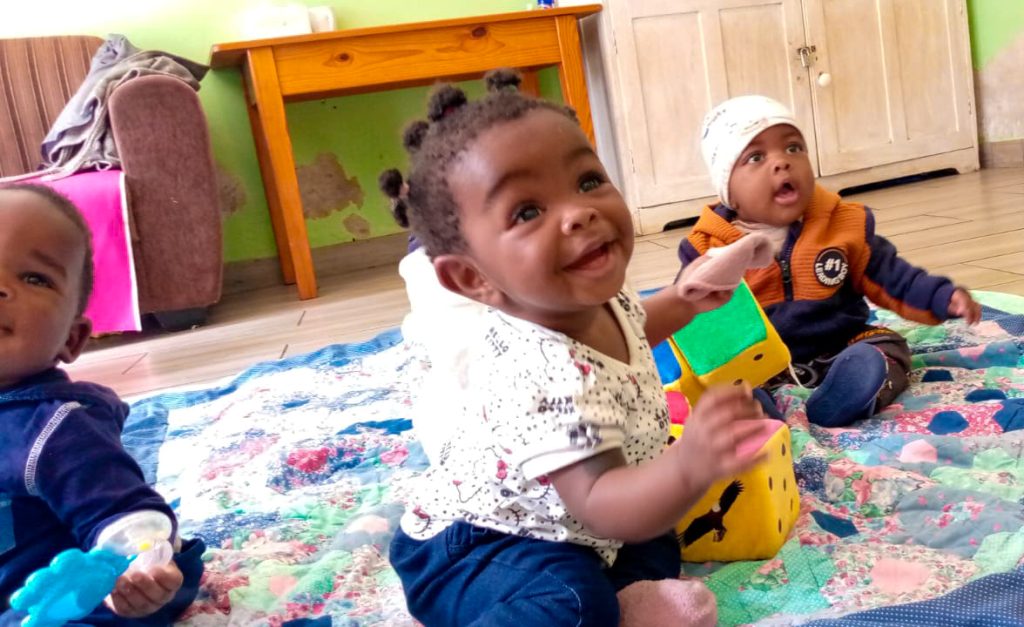
Children are deeply affected by broken bonds around them. They notice the tension in rooms adults think they hide well. But they also notice love, effort, and reconciliation. A child who sees adults choosing understanding over conflict learns an important lesson: relationships are worth fighting for.
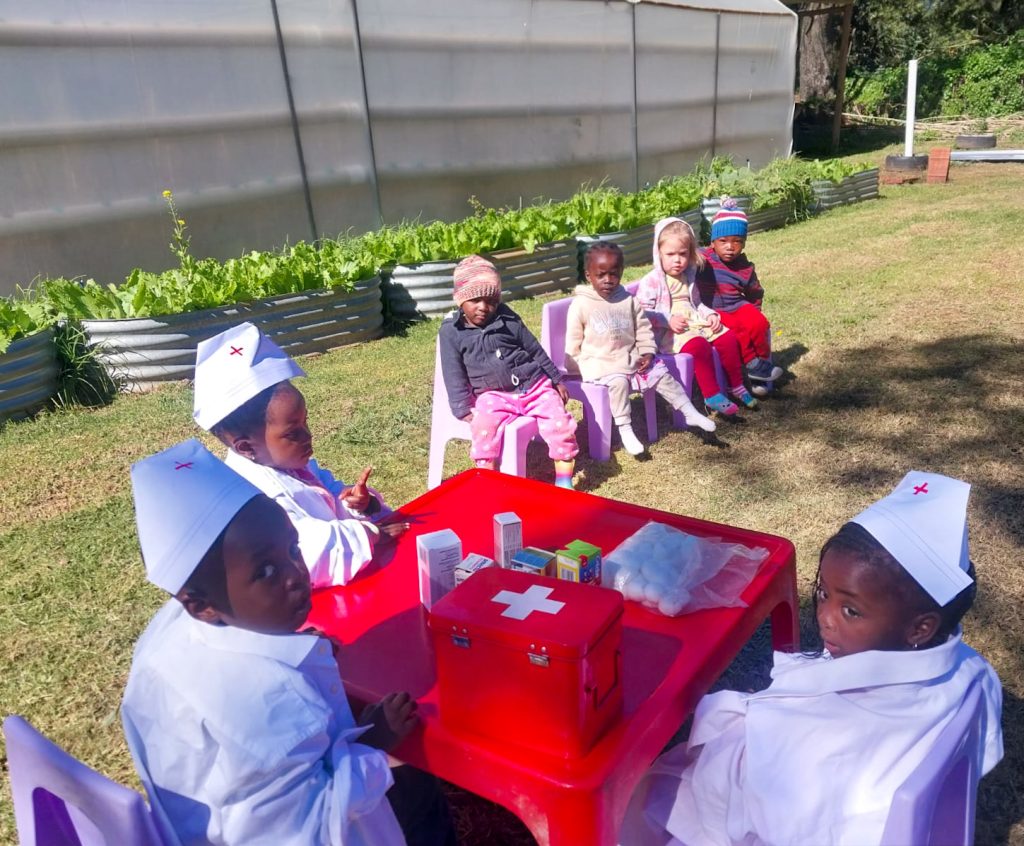
Communities too can experience broken bonds. Division, judgment, inequality, and hardship can make people feel disconnected from one another. But healing communities begins the same way healing families does — through compassion, empathy, and people choosing to care again. Sometimes the strongest communities are not the ones without struggles, but the ones that continue showing up for each other despite them.
There is beauty in repaired relationships because they carry truth. They are no longer built on perfection, but on understanding. On knowing someone’s flaws and choosing grace anyway. Broken bonds that heal often become stronger because both sides finally understand the value of connection.
Not every relationship can or should be restored. Some wounds require distance to protect peace and wellbeing. Healing, in those cases, may simply mean letting go without hatred. It may mean carrying lessons instead of bitterness.
The art of healing broken bonds teaches us something important: love is not always found in never breaking. Sometimes love is found in rebuilding.
In choosing the conversation. In offering the apology. In giving someone another chance. In learning to listen. In learning to stay.
Because at the end of the day, human beings are wired for connection. And even after pain, disappointment, and distance, there is something deeply powerful about hearts finding their way back to one another.