
The Hands of a village

There is a quiet kind of power that lives in the hands of a village.
Not loud, not boastful, not seeking recognition—but steady, worn, and endlessly giving. If you look closely, really closely, you’ll see that every story, every struggle, and every triumph of a community is carried in its hands.
The hands of a village are never idle.
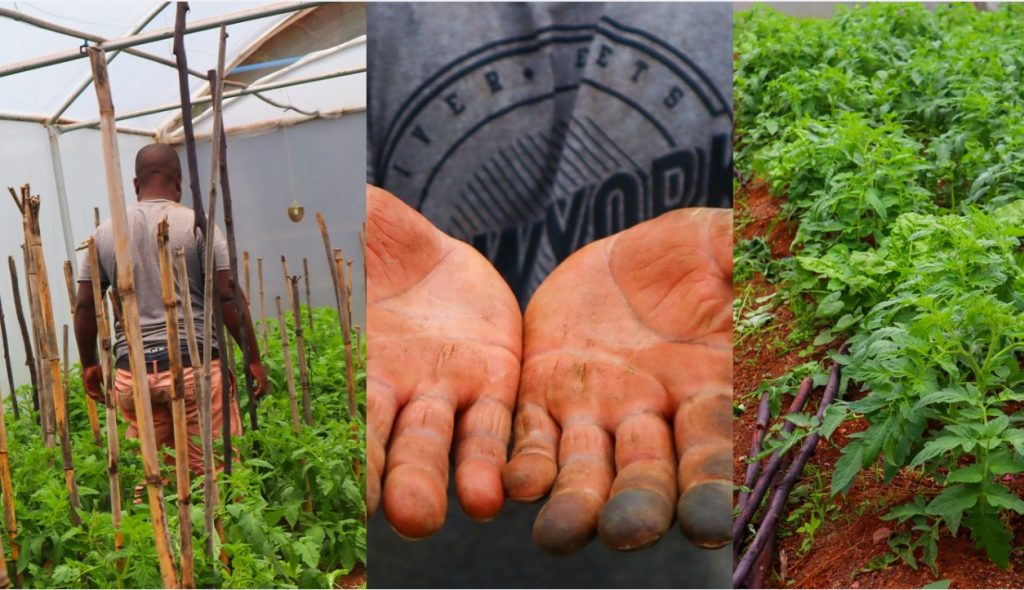
They rise before the sun, calloused from years of work, reaching for tools, for water, for one another. They build homes from nothing but earth and determination. They cook meals that stretch far beyond what should be possible, feeding not just bodies but spirits. These hands know how to make something out of very little—and still find a way to share it.
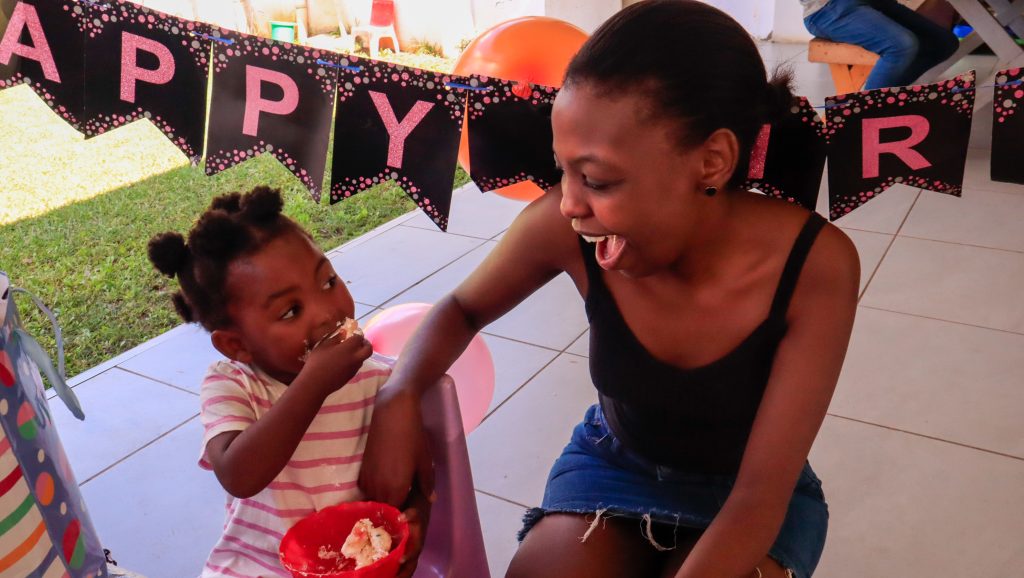
There are the hands of mothers, soft yet strong, holding children through hunger, fear, and hope. They wipe away tears and, somehow, create comfort even when they themselves are tired. Their hands carry generations—rocking babies, guiding toddlers, and letting go when the time comes to trust the world.
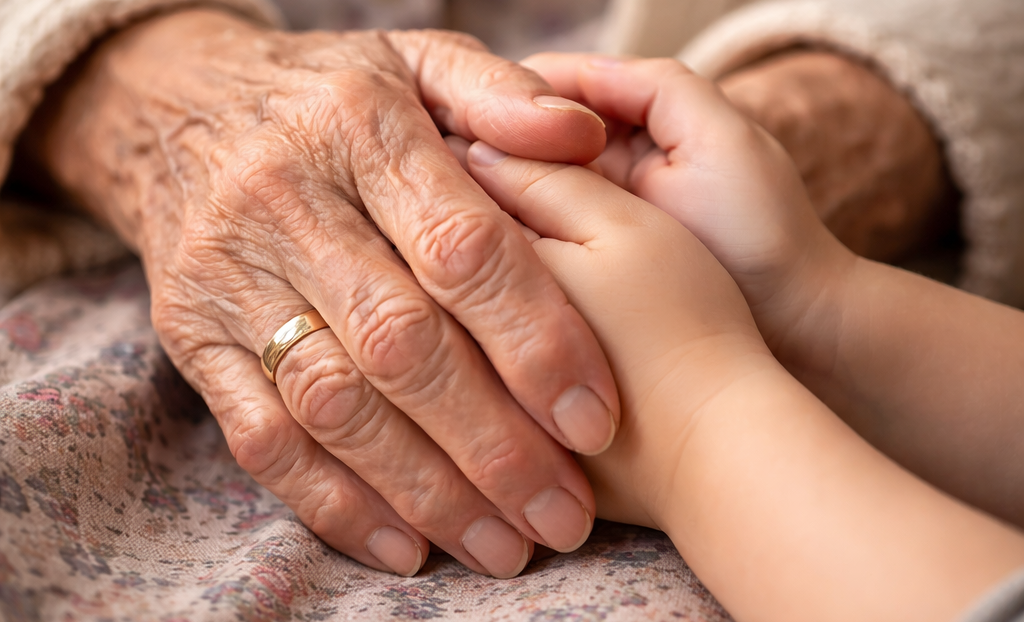
Then there are the hands of the elders—wrinkled, slow, and wise. These hands have seen seasons come and go, have buried loved ones and welcomed new life. They carry memory. History lives in their touch, in the way they pass down stories, traditions, and truths that no book could ever fully capture.
And of course, the hands of the children.
Small, curious, full of possibility. They reach out not yet hardened by life, eager to learn, eager to play, eager to become. They hold the future of the village without even knowing it.
But what makes the hands of a village truly remarkable is not what they do alone—it’s what they do together.
When one person falls, many hands lift them up. When one family struggles, others step in quietly, bringing food, time, and care. There is an unspoken understanding: no one belongs only to themselves. Everyone belongs to each other.
In a world that often celebrates independence, the village reminds us of something deeper—interdependence. That strength is not just in standing alone, but in standing together. That survival, and even joy, is something we build collectively.
The hands of a village are not perfect. They carry scars—of loss, of hardship, of days when things didn’t work out. But those scars are not signs of weakness. They are proof of resilience.
Proof that even in the face of struggle—financial, emotional, or otherwise—people can still show up for one another.
Still give.
Still hold on.
And perhaps that is the greatest lesson the hands of a village offer us: that no matter where we come from or what we believe, we all need hands to hold and hands to help.
Because in the end, it is not the grand gestures that sustain a community—it is the everyday acts of care.
A hand reaching out.
A hand holding on.
A hand saying, you are not alone.